The Ultimate Guide to Building Strong Bones at Home: Science, Diet, and Workouts
Author: Mithilesh Chnadra
Published Date: March 9, 2026
Reviewed By: Dr. Elena Rostova, Orthopedic Specialist
Introduction
A shattered hip isn’t just a painful inconvenience; it is often a silent death sentence. Statistics paint a brutal picture: 24% of hip fracture patients over the age of 50 die within exactly one year of the incident [13]. Six months post-fracture, a mere 15% can walk across a room unaided. If you want to survive and thrive into your later decades, building Strong Bones isn’t just an option—it is the single most critical longevity strategy you can execute.
Yet, millions of people sit at home, wholly unaware that their skeletal scaffolding is actively dissolving beneath their skin. Osteoporosis is famously called the “silent disease” because bone loss has no symptoms until a catastrophic failure occurs. But you do not need expensive clinical interventions or specialized gyms to fight back. Developing Strong Bones at home is entirely achievable through targeted, biomechanical stress, precise nutritional protocols, and a deep understanding of your body’s cellular remodeling cycle.
This comprehensive guide will tear down the myths surrounding skeletal health. We will look past the outdated “just drink milk” rhetoric and dive into the hardcore science of osteoblasts, high-intensity resistance loading, and the profound importance of Vitamin K2. Ready to bulletproof your skeleton? Here is exactly how to build Strong Bones at home.
1. Why You Need Strong Bones Right Now
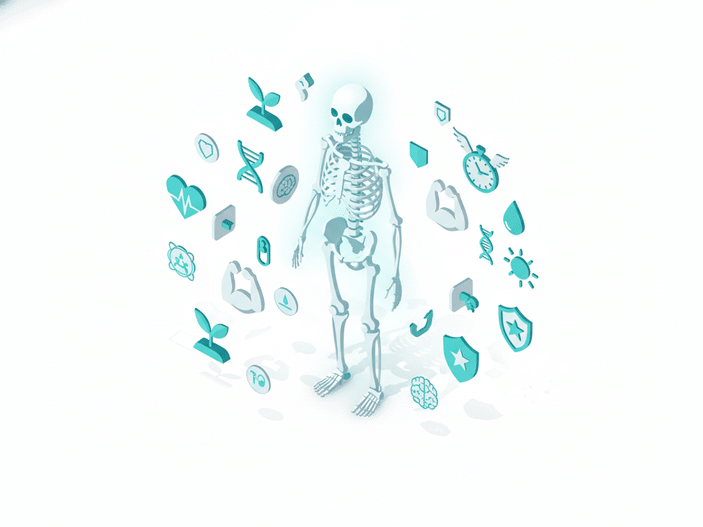
The human skeleton is an architectural marvel. It protects vital organs, anchors your musculature, and stores critical minerals like calcium and phosphorus [4]. But when bone density plummets, that architectural marvel becomes a fragile liability.
To understand the urgency of maintaining Strong Bones, you must look at the data. Worldwide, 1 in 3 women and 1 in 5 men over the age of 50 will experience an osteoporotic fracture [6]. In the United States alone, roughly 10.2 million adults have full-blown osteoporosis, while a staggering 43.4 million suffer from low bone mass (osteopenia) [20]. This means over 53 million Americans are walking around with compromised skeletal integrity.
The lack of Strong Bones leads to a horrific domino effect. A minor fall—or even a violent sneeze—can cause a vertebral crush fracture. This leads to chronic pain, spinal deformity (kyphosis), reduced lung capacity, and severe mobility restrictions. When mobility drops, cardiovascular health collapses, muscle atrophy accelerates, and metabolic disease takes root.
Building Strong Bones acts as your primary defense mechanism against this rapid decline. When your skeleton is dense and resilient, it absorbs mechanical shock efficiently. Furthermore, Strong Bones serve as a functional metabolic sink, dynamically communicating with your kidneys, intestines, and immune system to regulate calcium homeostasis. If you are reading this from your living room, the time to start forging Strong Bones is this exact second.
2. The Biological Blueprint: How Strong Bones Are Built
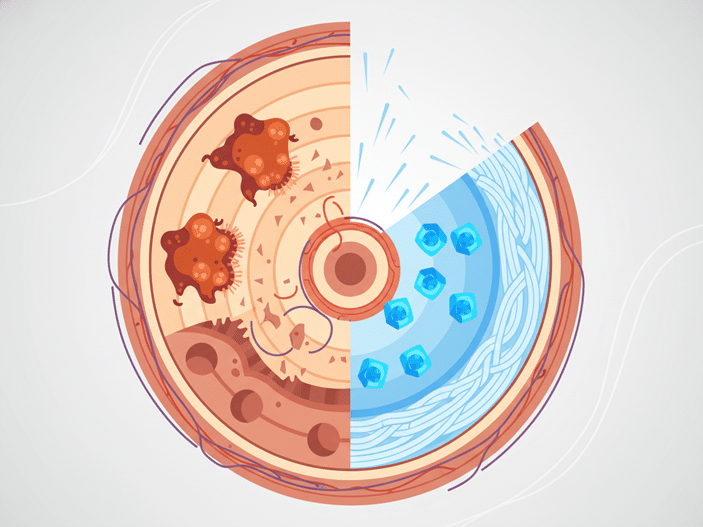
You might think of your skeleton as dead, dry structural beams. Nothing could be further from the truth. Your skeleton is highly vascular, highly innervated, and constantly in a state of flux. To engineer Strong Bones at home, you first must understand the cellular demolition and construction crew operating inside you.
Bone remodeling relies on two primary types of cells:
– Osteoclasts (The Demolition Crew): These are multinucleated cells derived from the macrophage lineage. Their job is to secrete enzymes and acids that dissolve old, damaged, or micro-fractured bone tissue, creating microscopic pits [6, 14, 16].
– Osteoblasts (The Builders): Derived from mesenchymal stem cells, osteoblasts move into the pits created by osteoclasts. They secrete osteoid (an unmineralized matrix composed mostly of collagen) and then orchestrate the deposition of calcium and phosphate to harden the tissue into new, Strong Bones [4, 14].
This continuous cycle takes about six months to complete one full revolution [19]. In youth, osteoblast activity outpaces osteoclast activity, allowing you to build peak bone mass by your late 20s. However, as you age—particularly after menopause for women, due to the sharp drop in estrogen—osteoclasts become hyperactive. The demolition outpaces the construction.
To maintain Strong Bones, your at-home lifestyle interventions must accomplish two things: stimulate osteoblast proliferation and suppress excessive osteoclast activity. You achieve this via the RANK/RANKL/OPG signaling pathway [7]. Mechanical stress (exercise) and specific nutrients send systemic signals that upregulate osteoprotegerin (OPG), a decoy receptor that blocks osteoclast formation, effectively allowing your builders to construct Strong Bones without interference.
3. Dietary Cornerstones for Strong Bones at Home
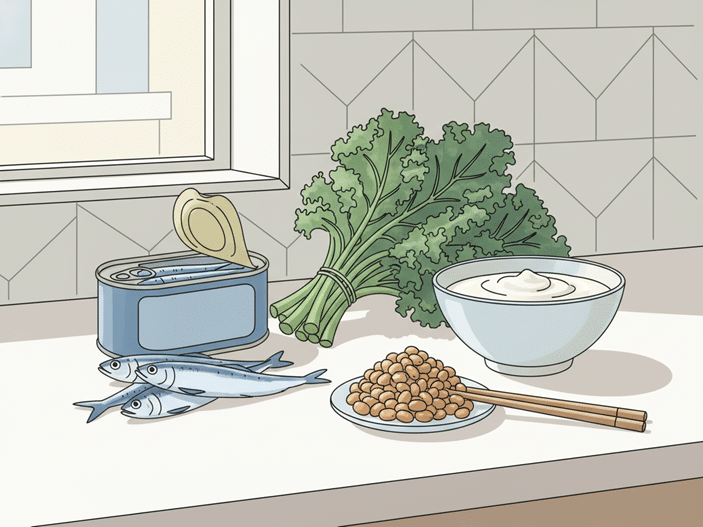
You cannot build a brick wall without bricks and mortar. Similarly, you cannot forge Strong Bones without highly specific raw materials. While the mainstream media obsesses over calcium, the biochemical reality of building Strong Bones is far more complex.
Calcium: The Scaffolding
Calcium is the primary mineral that gives Strong Bones their rigidity. 99% of your body’s calcium is stored in the skeletal matrix. If your blood calcium levels drop, your parathyroid glands release Parathyroid Hormone (PTH), which immediately commands osteoclasts to tear down your bones to release calcium into the bloodstream [4].
– Target: 1,000 to 1,200 mg per day.
– At-Home Sources: Dairy (yogurt, kefir), sardines with bones, fortified plant milks, almonds, and leafy greens (bok choy, kale).
Vitamin D3: The Keymaster
You can consume 5,000 mg of calcium a day, but without Vitamin D3, it will simply pass through your digestive tract. Vitamin D acts as a hormone that opens the intestinal gates, allowing calcium absorption to increase by up to 400%. Without D3, Strong Bones are biologically impossible.
– Target: 1,000 to 4,000 IU per day (subject to blood work).
– At-Home Sources: Direct sunlight exposure (15-30 mins daily), wild-caught salmon, egg yolks, and high-quality cholecalciferol supplements.
Vitamin K2: The Unsung Hero of Strong Bones
This is where most people fail. You have the calcium (bricks) and the Vitamin D (the delivery truck). But without Vitamin K2, that calcium wanders aimlessly and often calcifies your arteries, leading to heart disease. Vitamin K2 (specifically MK-4 and MK-7) acts as the traffic cop. It activates a protein called Osteocalcin, which binds calcium directly into the bone matrix, ensuring it builds Strong Bones rather than arterial plaque [9, 11]. Recent meta-analyses confirm that K2 significantly improves lumbar spine bone mineral density (BMD) and prevents age-related bone decline [1, 5, 18].
– Target: 100 to 200 mcg per day.
– At-Home Sources: Natto (fermented soybeans), gouda cheese, pastured egg yolks, and dark chicken meat.
4. The Best At-Home Exercises for Strong Bones
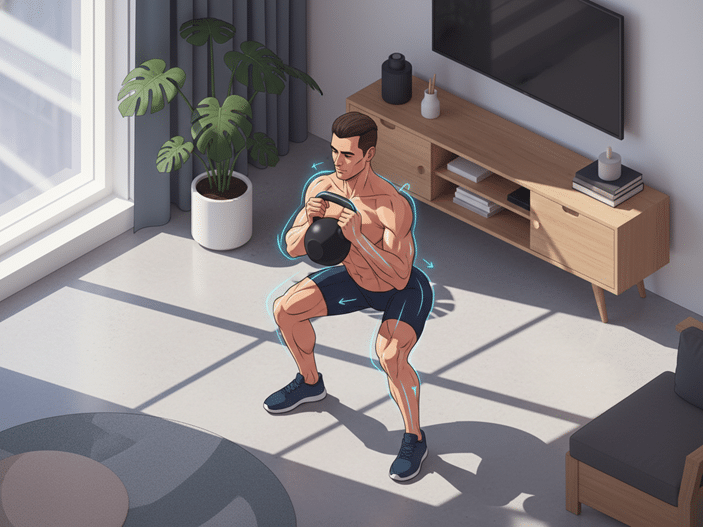
Diet only provides the materials; mechanical stress provides the blueprint. According to Wolff’s Law, bone tissue adapts to the loads placed upon it. If you sit on a sofa, your body perceives that Strong Bones are an unnecessary metabolic expense and actively dismantles them. To trigger osteogenesis (new bone formation) at home, you must engage in High-Intensity Resistance Exercise (HIRE) and Impact Loading [13, 14, 17].
1. High-Intensity Resistance Exercise (HIRE)
Resistance training is unequivocally proven to increase Bone Mineral Density (BMD). A 2022 meta-analysis demonstrated that resistance training yields a positive standard mean difference in improving both lumbar spine and femoral neck BMD [13, 16]. The key is the load. Pink, two-pound dumbbells will not build Strong Bones. You need a load heavy enough to bend the bone microscopically, which triggers osteocytes to signal for repair.
– Goblet Squats: Hold a heavy dumbbell, kettlebell, or even a loaded backpack against your chest. Squat deeply. This loads the spine, hips, and femur.
– Sets/Reps: 4 sets of 8-10 reps (the weight should feel very difficult by rep 8).
– Romanian Deadlifts (RDLs): Hinge at the hips keeping the legs relatively straight. This places massive mechanical tension on the hamstrings, glutes, and the entire posterior chain of the lumbar spine.
– Sets/Reps: 4 sets of 10-12 reps.
– Overhead Presses: Pressing weight vertically loads the radius, ulna, and thoracic spine.
2. Impact Loading (Plyometrics)
Bones respond violently well to multidirectional, high-impact forces. For those without joint issues, at-home impact exercises are unparalleled for forging Strong Bones.
– Stomping: Yes, literally stomping. 4 sets of 20 aggressive heel stomps on a hard floor sends shockwaves up the femur, stimulating the femoral neck.
– Jump Squats: Explosive jumps require the bones to absorb landing forces, driving mineralization.
– Wall Sprints: Lean against a wall at a 45-degree angle and drive your knees up rapidly, stomping the balls of your feet into the floor.
Aim to perform these resistance and impact sessions 3 to 4 times a week. The consistency of mechanical stress is what eventually creates undeniably Strong Bones.
5. Statistical Insights: The Hidden Epidemic of Bone Loss
Understanding the data behind bone loss reveals exactly why prioritizing Strong Bones is an absolute necessity. The statistical landscape is grim, yet highly actionable if caught early.
– The Gender Divide: Among the 10.2 million adults estimated to have osteoporosis in the US, over 80% are women [20]. The rapid decline of estrogen during menopause accelerates osteoclast-mediated bone resorption aggressively.
– The Global Burden: Between 1990 and 2019, global deaths attributable to Low Bone Mineral Density (LBMD) increased by an astounding 111.16% [10].
– The Cost of Inaction: Osteoporosis-related bone breaks cost the healthcare system roughly $19 billion annually. By 2025, it was projected to hit $25.3 billion [13].
– The Post-Fracture Reality: A man is statistically more likely to break a bone due to osteoporosis than he is to develop prostate cancer. A woman’s risk of an osteoporotic fracture equals her combined risk of breast, uterine, and ovarian cancers [13].
These numbers are not meant to paralyze you with fear. They are meant to serve as a wake-up call. Every goblet squat, every capsule of Vitamin K2, and every walk you take actively pulls you out of these terrifying statistical pools. Strong Bones are your statistical armor.
6. Pros and Cons of Common Bone Supplements for Strong Bones
When attempting to build Strong Bones at home, many turn to the supplement aisle. But the supplement industry is rife with misinformation, poorly absorbed compounds, and dangerous paradoxes. Let’s analyze the pros and cons objectively.
Calcium Carbonate
– Pros: Very cheap. Widely available. High elemental calcium content.
– Cons: Terribly absorbed. Requires stomach acid to break down, often causing severe constipation and bloating. Without K2, high doses increase the risk of myocardial infarction (heart attacks) due to arterial calcification [9].
Calcium Citrate
– Pros: Highly bioavailable. Does not require stomach acid to absorb (can be taken on an empty stomach). Better for older adults who have naturally lower gastric acid.
– Cons: Bulkier pills. Lower elemental calcium per pill, requiring you to take more capsules to hit your target for Strong Bones.
Strontium
– Pros: Strontium replaces calcium in the bone matrix, making bones appear significantly denser on DEXA scans. It drastically reduces fracture rates in some clinical trials.
– Cons: It throws off DEXA scan accuracy by artificially inflating the numbers. It may carry an increased risk of deep vein thrombosis (DVT) and cardiovascular issues.
Vitamin K2 (Menaquinone-7 / MK-7)
– Pros: The holy grail for Strong Bones. Directly increases carboxylated osteocalcin, effectively pulling calcium out of the bloodstream and cementing it into the bone [1, 5, 11]. It boasts a long half-life in the body.
– Cons: Can be expensive. Can interact with certain blood thinners like Warfarin (always consult a physician).
7. Lifestyle Factors That Destroy Strong Bones
You cannot out-supplement or out-train a bone-destroying lifestyle. To maintain Strong Bones, you must ruthlessly eliminate the environmental and behavioral toxins that stimulate osteoclast activity.
1. Chronic Alcohol Consumption:
Alcohol is a direct skeletal toxin. It impairs the liver’s ability to activate Vitamin D, reduces calcium absorption in the gut, and directly inhibits osteoblast function [13]. If you want Strong Bones, keep alcohol consumption to a strict minimum (less than 2-3 drinks per week).
2. Smoking and Nicotine:
Smoking causes profound vasoconstriction, choking off the vital blood supply to your bones. It also completely dysregulates hormone production, lowering estrogen in women and testosterone in men, both of which are highly protective of Strong Bones. Smokers have a significantly higher risk of hip fractures.
3. Sedentary Lifestyles:
If you sit 12 hours a day, you are literally telling your body to dissolve your skeleton. The lack of gravitational and mechanical loading turns off osteoblast formation. Even taking a 10-minute brisk walk every three hours can interrupt this bone-wasting signal.
4. High-Sodium Diets:
Excess dietary sodium forces the kidneys to excrete calcium through urine. Every 2,300 mg of sodium excreted by the kidneys pulls about 40 mg of calcium out of the body with it. If this calcium isn’t replaced by diet, the body rips it straight from your Strong Bones.
8. Plant-Based Strategies to Maintain Strong Bones
It is a common myth that you must consume dairy to build Strong Bones. While dairy is convenient, a well-planned plant-based diet can yield incredibly high bone mineral density, provided you are strategic about nutrient bioavailability.
Tackling Phytic Acid:
Plant sources of calcium (like spinach and beans) contain phytic acid and oxalates—compounds that bind to calcium in the digestive tract and completely block its absorption. To build Strong Bones on a vegan diet, you must prioritize low-oxalate greens like bok choy, kale, and broccoli.
Plant-Based Calcium Powerhouses:
– Tofu (Calcium-set): A massive 400 mg of highly bioavailable calcium per half-cup.
– Chia Seeds: Packed with calcium, magnesium, and phosphorus.
– Fortified Almond or Oat Milk: Often fortified to match or exceed dairy milk’s calcium profile.
The Vegan K2 Dilemma:
Vitamin K2 is almost exclusively found in animal products, with one major exception: Natto. Natto is fermented soybeans and possesses the highest MK-7 concentration of any food on earth. If you cannot stomach the slimy texture of Natto, a high-quality vegan K2 supplement (derived from chickpeas or fermented geraniol) is absolutely mandatory for plant-based Strong Bones.
9. How Sleep and Oxidative Stress Impact Your Skeletal System
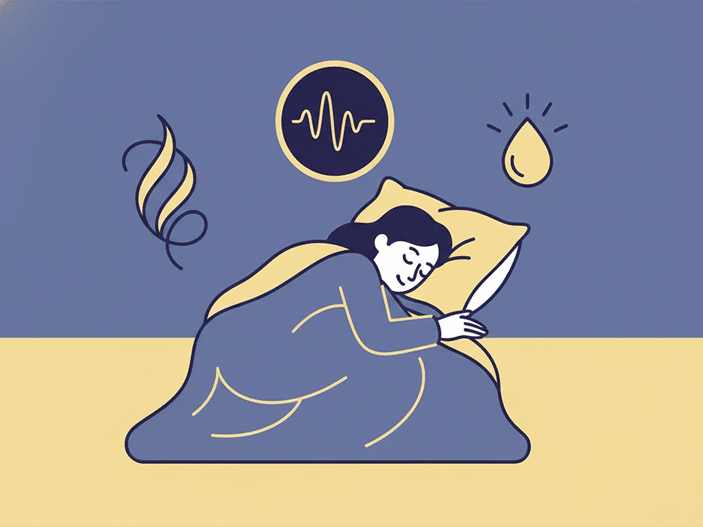
Bone remodeling is highly sensitive to your systemic redox status and circadian rhythms. If you are sleeping poorly and chronically stressed, your body is churning out Reactive Oxygen Species (ROS) and cortisol, both of which are disastrous for Strong Bones.
The Role of Oxidative Stress:
A 2025 review in the Annals of Case Reports highlighted that oxidative stress significantly influences the balance between osteoclast resorption and osteoblast formation [19]. High levels of ROS disrupt osteoblast differentiation, meaning your builders cannot mature. Simultaneously, ROS aggressively enhances osteoclastic activity. Your demolition crew goes into overdrive, promoting rapid bone loss. Eating an antioxidant-rich diet (berries, dark chocolate, green tea) neutralizes these ROS, protecting your Strong Bones.
The Cortisol Catastrophe:
Chronic psychological stress elevates cortisol. High cortisol reduces intestinal calcium absorption, decreases bone collagen synthesis, and increases renal calcium excretion. Cortisol essentially cannibalizes your skeleton to provide immediate energy for a perceived “fight or flight” threat.
Sleep Disruption:
Most of your bone remodeling occurs during deep, slow-wave sleep when Human Growth Hormone (HGH) peaks. If you suffer from sleep apnea or chronic insomnia, you truncate this critical repair window. Prioritizing 7-9 hours of uninterrupted sleep is a non-negotiable requirement for developing Strong Bones at home.
10. Creating a 7-Day Protocol for Strong Bones
To synthesize all this data, here is a practical, 7-day at-home protocol to maximize bone density and forge undeniably Strong Bones.
Monday, Wednesday, Friday: The HIRE Protocol
– Warm-up: 5 minutes of jumping jacks and dynamic stretching.
– Movement 1: Goblet Squats – 4 sets of 10 reps (rest 90 seconds between sets).
– Movement 2: Push-ups (or modified push-ups) – 3 sets to near failure. Loads the radius, ulna, and humerus.
– Movement 3: Weighted Glute Bridges – 3 sets of 15 reps.
– Movement 4: Hard Heel Stomps – 4 sets of 20 reps per leg.
Tuesday, Thursday: Active Recovery & Vitamin D
– Activity: 30-minute brisk walk, preferably outdoors during peak sunlight hours (between 10 AM and 2 PM) with arms and face exposed to stimulate Vitamin D synthesis.
Saturday: Impact & Balance
– Activity: 15 minutes of multi-directional hopping, skipping, and lateral bounds. Followed by 15 minutes of single-leg balance work (crucial for fall prevention).
Daily Nutritional Non-Negotiables for Strong Bones:
1. Morning: 100 mcg of Vitamin K2 (MK-7) alongside a fat source (like eggs or avocado) for absorption.
2. Lunch: A large kale and bok choy salad topped with calcium-set tofu or sardines.
3. Dinner: High-quality protein (chicken, beef, or lentils) paired with a magnesium-rich side (pumpkin seeds, quinoa).
4. Supplementation: 2,000-4,000 IU of Vitamin D3 (taken in the morning) and an evening dose of Magnesium Glycinate to support deep sleep and cellular repair.
By rigidly adhering to this schedule, you are continually feeding your body the mechanical signals and biochemical raw materials required to sustain Strong Bones for decades.
11. Frequently Asked Questions About Strong Bones
Q1: At what age does bone density stop increasing?
A: Peak bone mass is generally achieved by the late 20s or early 30s. Up until this point, your osteoblasts are outperforming your osteoclasts. By age 35, a slow, natural decline begins. However, this does not mean you cannot improve your bone quality or slightly increase density later in life. Through heavy resistance training and optimal K2 intake, older adults can preserve their mass and dramatically improve the microarchitectural strength of their skeleton, maintaining Strong Bones well into their 80s.
Q2: Can walking alone build Strong Bones?
A: No. While walking is excellent for cardiovascular health, it is a low-impact, repetitive motion. Your bones adapt to the load of walking very quickly. Once adapted, walking provides no further stimulus for osteogenesis. To build Strong Bones, you must subject the skeleton to novel, unaccustomed stress—which is why progressive resistance training and high-impact loading are strictly required.
Q3: Does drinking milk actually give you Strong Bones?
A: The “milk builds Strong Bones” marketing campaigns of the 90s were largely oversimplified. Yes, milk contains calcium and fortified Vitamin D, which are necessary. However, countries with the highest dairy consumption paradoxically often have the highest rates of osteoporosis. This is due to a lack of Vitamin K2, a lack of mechanical loading, and highly acidic diets. Milk is a useful tool, but it is not a standalone cure for bone loss.
Q4: Is it safe to lift heavy weights if I already have osteopenia or osteoporosis?
A: Safety is relative, but inactivity is the most dangerous choice you can make. Clinical trials, such as the LIFTMOR study, have shown that High-Intensity Resistance and Impact Training (HiRIT) is not only safe for postmenopausal women with low bone mass but highly effective at improving it. However, if you have diagnosed osteoporosis, you must consult a physical therapist or doctor before beginning heavy loading to avoid contraindicated movements (like heavily loaded spinal flexion). Properly supervised loading is the path back to Strong Bones.
Q5: How long does it take to see results in bone density?
A: Bone remodels painfully slowly. A single complete remodeling cycle takes about 6 months [19]. Therefore, you will not see changes on a DEXA scan in a matter of weeks. It typically takes 12 to 24 months of consistent resistance training and nutritional intervention to see a statistically significant increase in Bone Mineral Density. Patience and unyielding consistency are the true secrets to Strong Bones.
Q6: What role does Magnesium play in building Strong Bones?
A: Magnesium is absolutely critical. Roughly 60% of the body’s magnesium resides in the bone. It acts as a cofactor for the enzymes that convert Vitamin D into its active, hormonal form (calcitriol). Furthermore, magnesium stimulates the hormone calcitonin, which helps preserve bone structure, and it suppresses parathyroid hormone (PTH), preventing excessive bone breakdown. Without magnesium, you cannot build Strong Bones, even if your calcium is high.
Q7: Will caffeine destroy my bone density?
A: In massive amounts, yes. High caffeine intake (over 400 mg per day, roughly 4 cups of strong coffee) can slightly increase the amount of calcium excreted in the urine. Furthermore, caffeine can interfere with osteoblast activity. However, if you are consuming adequate calcium and Vitamin K2, a moderate intake of coffee (1-2 cups) will not significantly hinder your quest for Strong Bones.
Q8: What is a DEXA scan and how often should I get one?
A: Dual-Energy X-ray Absorptiometry (DEXA) is the gold standard for measuring Bone Mineral Density. It provides a T-score, comparing your bone density to a healthy 30-year-old. A T-score of -1.0 or above is normal; -1.0 to -2.5 indicates osteopenia; -2.5 or lower diagnoses osteoporosis. Women over 65 and men over 70 should get a baseline scan, or earlier if you possess high risk factors. Getting a scan every 2 years is standard for tracking your progress toward Strong Bones.
Conclusion: Take Control of Your Skeletal Destiny
The biological reality is harsh: from the moment you turn 35, an invisible countdown begins. Osteoclasts are working day and night to dismantle your skeletal frame. Left unchecked, this silent erosion leads to fragility, devastating fractures, and a dramatic loss of independence.
But you are not powerless. Building Strong Bones at home is an entirely manageable, science-backed reality. By dialing in your calcium and Vitamin D, elevating your Vitamin K2 intake to direct that calcium efficiently, and subjecting your frame to High-Intensity Resistance Exercise, you force your body to adapt, rebuild, and fortify.
Stop viewing your bones as static, dead scaffolding. They are dynamic, living tissues begging for the right inputs to thrive. Put down the cheap calcium carbonate, pick up a heavy kettlebell, and start fueling your body with intention. The path to achieving undeniably Strong Bones starts in your living room today. Take action before a fracture makes the choice for you.
Master Stress for a Peaceful Life
References & Scientific Citations
1. Frontiers in Nutrition (2024). The effect of vitamin K2 supplementation on bone turnover biochemical markers in postmenopausal osteoporosis patients: a systematic review and meta-analysis.
2. International Osteoporosis Foundation. Epidemiology, Facts & Statistics on Bone Density Worldwide.
3. Bone Health & Osteoporosis Foundation (BHOF). Osteoporosis Fast Facts and Fracture Mortality Statistics.
4. Cleveland Clinic (2023). Osteoblasts & Osteoclasts: Function, Purpose & Anatomy.
5. National Institutes of Health / PMC (2024). Effects of vitamin K supplementation on bone mineral density at different sites and bone metabolism in the middle-aged and elderly population.
6. MDPI (2025). From Development, Disease, and Decline: A Review of What Defines an Osteoclast Progenitor.
7. Frontiers in Physiology (2024). A review of mathematical modeling of bone remodeling from a systems biology perspective.
8. IntechOpen (2017). Vitamin K2 and Bone Health – The impact of MK-4 and MK-7 on postmenopausal bone loss.
9. National Institutes of Health / PMC (2012). Proper Calcium Use: Vitamin K2 as a Promoter of Bone and Cardiovascular Health.
10. National Institutes of Health / PMC (2022). The Global Burden of Osteoporosis, Low Bone Mass, and Its Related Fracture in 204 Countries and Territories, 1990-2019.
11. MDPI (2024). The Importance of Vitamin K and the Combination of Vitamins K and D for Calcium Metabolism and Bone Health: A Review.
12. National Institutes of Health / PubMed (2022). The Effect of Resistance Training on Bone Mineral Density in Older Adults: A Systematic Review and Meta-Analysis.
13. Frontiers in Sports and Active Living (2025). Optimization of high-intensity resistance exercise protocols for improving bone mineral density in the elderly without chronic diseases.
14. MDPI (2025). Effectiveness of Exercise Loading on Bone Mineral Density and Quality of Life Among People Diagnosed with Osteoporosis.
15. National Institutes of Health / PMC (2025). Optimal resistance training parameters for improving bone mineral density in postmenopausal women: a systematic review and meta-analysis.
16. Ginekologia i Położnictwo (2025). Effectiveness of resistance training on bone mineral density in post-menopausal women with osteoporosis.
17. Johns Hopkins Arthritis Center. Osteoporosis Information, Disease Prevalence, and Bone Mass Predictors.
18. National Institutes of Health / PMC. The Recent Prevalence of Osteoporosis and Low Bone Mass in the United States Based on Bone Mineral Density at the Femoral Neck or Lumbar Spine.
19. Gavin Publishers / Ann Case Report (2025). Oxidative Stress and Bone Remodeling: An Updated Review.
20. Journal of Bone and Mineral Research. Prevalence of low femoral bone density in older U.S. adults from NHANES.

