

Table of Contents
Introduction: Decoding the Body’s Signal
Defining Unintentional Weight Loss: When to Be Concerned
The Spectrum of Weight Loss Causes: A Multifaceted Perspective
I. Medical Conditions as Primary Drivers of Weight Loss
* Endocrine and Hormonal Disorders
* Gastrointestinal Diseases
* Oncological Conditions (Cancer)
* Neurological and Cognitive Disorders
* Chronic Infections and Inflammatory Diseases
* Cardiopulmonary and Renal Conditions
II. Lifestyle and Environmental Factors Influencing Weight
* Dietary Habits and Nutritional Deficiencies
* Physical Activity Levels
* Socioeconomic and Environmental Influences
III. The Profound Impact of Psychological Health on Weight
* Depression, Anxiety, and Stress
* Eating Disorders
IV. Medications: An Often-Overlooked Cause of Weight Loss
* Historical and Future Perspectives on Weight Loss
* A Brief History of Understanding Weight Fluctuation
* The Future of Research and Treatment
* Conclusion: A Call for Vigilance and Professional Guidance
* Frequently Asked Questions (FAQs)
Introduction: Decoding the Body’s Signal
Weight loss is often pursued with intention through diet and exercise. However, when the numbers on the scale decrease without a clear reason, it can be a perplexing and sometimes alarming experience. This phenomenon, known as unintentional or unexplained weight loss, can serve as a critical signal from the body, indicating a shift in its internal landscape. While minor fluctuations in weight are normal, a significant and sustained drop warrants closer investigation.
For daily health tips join our WhatsApp Channel
This comprehensive article aims to provide an authoritative and in-depth exploration of the myriad causes behind weight loss. By delving into the complex interplay of medical, lifestyle, and psychological factors, we will equip readers with the knowledge to better understand this multifaceted issue. Our objective is to adhere strictly to the principles of Expertise, Authoritativeness, and Trustworthiness (E-E-A-T), providing a reference-quality resource for a global audience concerned with their health and well-being.
Defining Unintentional Weight Loss: When to Be Concerned
The 5% Threshold
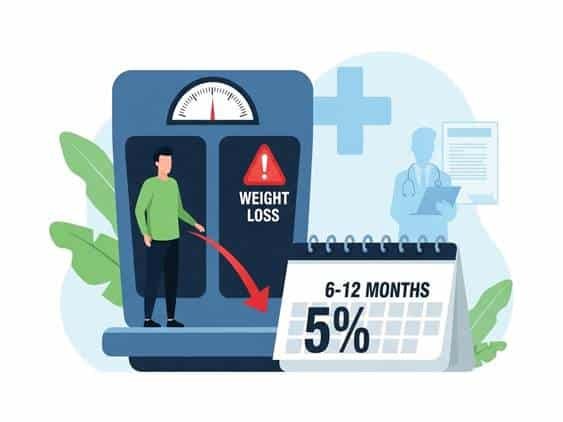
Medically, unintentional weight loss is often defined as a loss of more than 5% of one’s baseline body weight over a period of 6 to 12 months. This significant threshold should prompt a consultation with a healthcare professional, as documenting this weight loss is crucial for accurate diagnosis.
Importance for Older Adults
For older adults, this level of weight loss is associated with increased morbidity and mortality, making timely evaluation even more critical. Prompt medical attention can help address underlying issues before they escalate.
The Need for Documentation
It’s important to accurately document any reported weight loss, as up to half of patients who report losing weight may not have actually experienced a significant change. Clear records aid in proper medical assessment and intervention.
The Spectrum of Weight Loss Causes: A Multifaceted Perspective
The reasons for weight loss are diverse and can rarely be attributed to a single cause. Often, a combination of factors contributes to the change. These causes can be broadly categorized into four main domains: underlying medical conditions, lifestyle and environmental factors, psychological health, and the side effects of medications.
Medical Conditions as Primary Drivers of Weight Loss
A vast array of medical conditions can manifest with unintentional weight loss as a prominent symptom. It is often one of the first signs that something is amiss within the body.
Endocrine and Hormonal Disorders
The endocrine system, which regulates metabolism and other bodily functions through hormones, can be a significant source of weight changes when imbalanced.
- Hyperthyroidism (Overactive Thyroid): This condition occurs when the thyroid gland produces an excess of thyroid hormone, which significantly speeds up the body’s metabolism. This metabolic acceleration leads to more calories being burned, often resulting in weight loss despite a normal or even increased appetite. Other accompanying symptoms may include a rapid or irregular heartbeat, hand tremors, and nervousness.
- Diabetes Mellitus: Particularly in undiagnosed or poorly controlled Type 1 diabetes, the body cannot effectively use glucose for energy due to a lack of insulin. Consequently, it begins to break down fat and muscle for fuel, leading to weight loss.
- Addison’s Disease: This is a rare disorder where the adrenal glands do not produce enough cortisol and aldosterone. These hormonal deficiencies can affect metabolism and lead to symptoms like loss of appetite, chronic diarrhea, and nausea, all contributing to weight loss.
Gastrointestinal Diseases
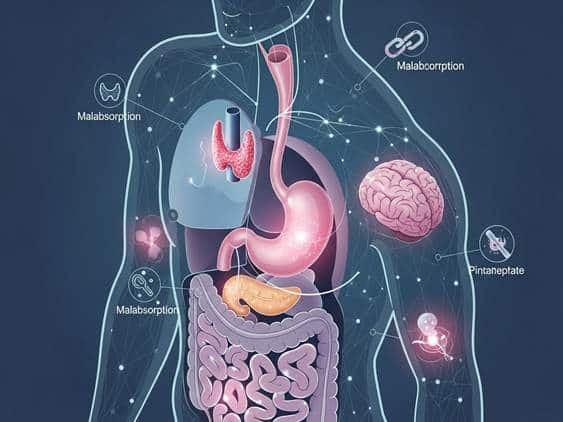
Disorders of the digestive system can interfere with the body’s ability to absorb nutrients, leading to weight loss even with adequate food intake.
- Celiac Disease: An autoimmune disorder triggered by the consumption of gluten, celiac disease causes damage to the small intestine, impairing nutrient absorption. This malabsorption is a primary cause of weight loss in affected individuals.
- Inflammatory Bowel Disease (IBD): Conditions like Crohn’s disease and ulcerative colitis are characterized by chronic inflammation of the digestive tract. This inflammation can lead to decreased appetite, malabsorption of nutrients, and increased energy expenditure by the body, all contributing to weight loss.
- Chronic Pancreatitis: Long-term inflammation of the pancreas can impair its ability to produce digestive enzymes, leading to poor digestion and absorption of food, which in turn causes weight loss.
- Peptic Ulcers: Sores in the lining of the stomach or small intestine can cause pain and discomfort, leading to a decreased desire to eat.
Oncological Conditions (Cancer)
Unexplained weight loss is a well-recognized and often one of the first noticeable symptoms of several types of cancer. Malignant tumors can alter the body’s metabolism, increase inflammation, and release substances that decrease appetite, leading to a condition known as cancer cachexia—severe muscle and fat wasting. Cancers frequently associated with weight loss include those of the pancreas, esophagus, stomach, and lung. It is estimated that cancer is the cause in approximately 29% of unintentional weight loss cases. However, it’s important to remember that most people with unexplained weight loss do not have cancer. A recent study highlighted that even in early-stage disease, significant weight loss can occur, underscoring the importance of medical evaluation.
Neurological and Cognitive Disorders
Conditions affecting the brain and nervous system can have a profound impact on eating behaviors and, consequently, body weight.
- Dementia: As dementia progresses, individuals may experience weight loss for various reasons. These can include forgetting to eat, difficulty swallowing (dysphagia), changes in taste and smell that reduce appetite, and increased energy expenditure due to agitation and pacing. Studies show that 20% to 45% of individuals with dementia living in the community experience weight loss within a year. Weight loss in older age has also been linked to an increased risk of subsequently developing dementia.
- Parkinson’s Disease: The motor symptoms of Parkinson’s, such as tremors and rigidity, can make the physical act of eating difficult. Additionally, the disease can cause a loss of appetite and depression, further contributing to weight loss.
Chronic Infections and Inflammatory Diseases
Long-term infections and inflammatory conditions can place a significant metabolic burden on the body.
- HIV/AIDS: In the later stages of AIDS, changes in metabolism and chronic diarrhea can lead to rapid weight loss.
- Tuberculosis: This infectious disease can cause a loss of appetite and increased metabolic rate, resulting in weight loss.
- Rheumatoid Arthritis: While many with this autoimmune condition are overweight, the chronic inflammation associated with rheumatoid arthritis can increase the body’s energy expenditure and lead to muscle loss, causing some individuals to lose weight.
- Parasitic Infections: Intestinal parasites can cause diarrhea, vomiting, and malabsorption of nutrients, all of which can lead to weight loss.
Cardiopulmonary and Renal Conditions
Advanced diseases of the heart, lungs, and kidneys can also lead to unintentional weight loss.
- Heart Failure: In the later stages, heart failure can cause a condition known as cardiac cachexia, characterized by significant weight loss, particularly of muscle mass.
- Chronic Obstructive Pulmonary Disease (COPD): The increased effort required for breathing in individuals with COPD can burn a significant number of calories. Additionally, shortness of breath can make eating difficult.
- End-Stage Renal Disease: Kidney failure can lead to a buildup of waste products in the blood, causing a loss of appetite and nausea.
Lifestyle and Environmental Factors Influencing Weight
Beyond medical diagnoses, various aspects of an individual’s daily life and environment can contribute to weight loss.

Dietary Habits and Nutritional Deficiencies
Simply not consuming enough calories to meet the body’s energy needs will result in weight loss. This can be due to a poor diet lacking in essential nutrients or a general loss of appetite. Certain vitamin and mineral deficiencies have also been linked to conditions like depression, which can in turn affect appetite and weight.
Physical Activity Levels
While regular exercise is a cornerstone of intentional weight loss and overall health, excessive physical activity without a corresponding increase in caloric intake can lead to a significant energy deficit and subsequent weight loss. This is particularly relevant for athletes and individuals with highly physically demanding jobs.
Socioeconomic and Environmental Influences
Social and economic factors can play a crucial role in a person’s ability to maintain a healthy weight.
- Financial Limitations: Limited income can restrict access to sufficient and nutritious food.
- Social Isolation: Living alone or being socially isolated can lead to a decreased interest in preparing and eating meals.
- Dental Problems: Issues such as gum disease, poorly fitting dentures, or tooth pain can make chewing and eating uncomfortable, leading to reduced food intake.
The Profound Impact of Psychological Health on Weight
The mind-body connection is powerful, and psychological well-being is intrinsically linked to physical health, including body weight. Several psychological and behavioral factors can influence eating habits and lead to weight changes.

Depression, Anxiety, and Stress
Mental health conditions are a significant, yet often overlooked, cause of unintentional weight loss.
- Depression: A common symptom of depression is a loss of interest or pleasure in activities, including eating (a condition known as anhedonia). This can lead to a decreased appetite and subsequent weight loss. The condition can also cause physical symptoms like fatigue and stomach issues, further impacting the desire to eat.
- Anxiety: While some people with anxiety may overeat, others experience a loss of appetite, especially during periods of high anxiety.
- Stress: The body’s “fight or flight” response to stress involves the release of hormones like adrenaline, which can suppress appetite. Chronic stress can lead to sustained high levels of cortisol, affecting the digestive system and potentially causing weight loss. Stressful life events, such as divorce, job loss, or the death of a loved one, are common triggers for unintentional weight loss.
Eating Disorders
Eating disorders such as anorexia nervosa and bulimia nervosa are serious mental health conditions characterized by severe disturbances in eating behaviors. They are a direct and significant cause of substantial weight loss and require immediate professional intervention.
Medications: An Often-Overlooked Cause of Weight Loss
A wide range of prescription and over-the-counter medications can cause weight loss as a side effect. This can occur through various mechanisms, including suppressing appetite, altering taste or smell, causing nausea and vomiting, or leading to a dry mouth that makes eating difficult.

Common Medication Classes
- Stimulants: Used to treat ADHD (e.g., methylphenidate).
- Antidepressants: Certain antidepressants, such as bupropion and fluoxetine, are associated with weight loss.
- Diabetes Medications: Drugs like metformin and GLP-1 receptor agonists (e.g., semaglutide, liraglutide) often lead to weight loss.
- Anticonvulsants: Topiramate and zonisamide are examples of seizure medications that can cause weight loss.
- Chemotherapy Drugs: Many cancer treatments have side effects like nausea, vomiting, and loss of appetite that lead to weight loss.
- Thyroid Medications: Over-treatment with levothyroxine for hypothyroidism can mimic hyperthyroidism and cause weight loss.
- Newer Weight Loss Drugs: Medications specifically designed for weight management, such as semaglutide (Wegovy) and tirzepatide, work by suppressing appetite and delaying gastric emptying, which can sometimes lead to gastrointestinal side effects.
Historical and Future Perspectives on Weight Loss

A Brief History of Understanding Weight Fluctuation
Historically, significant unintentional weight loss, often termed “consumption,” was a dreaded sign of serious illness, most notably tuberculosis. The understanding of the diverse metabolic, psychological, and cellular mechanisms behind weight loss has evolved dramatically with advances in medical science. Early reports even linked dieting with mood disturbances, a view that has been largely contradicted by modern research showing that intentional weight loss can often improve symptoms of depression.
The Future of Research and Treatment
The future of understanding and managing weight loss lies in personalized medicine. Research continues to unravel the complex genetic, metabolic, and neurological pathways that regulate body weight. The development of new pharmacotherapies, such as GLP-1 agonists, has revolutionized the treatment of obesity and diabetes, and these drugs are also shedding light on the intricate hormonal control of appetite and satiety. Future research will likely focus on more targeted therapies with fewer side effects and a greater understanding of the psychological components of weight regulation.
Conclusion: A Call for Vigilance and Professional Guidance
Weight loss is a complex issue with a wide array of potential causes, ranging from benign lifestyle changes to serious underlying medical conditions. While this article provides a comprehensive overview, it is not a substitute for professional medical advice.
The key takeaway is that significant, unexplained weight loss should never be ignored. It is a red flag from your body that warrants attention. Consulting with a healthcare provider is the essential first step to identifying the root cause and determining the appropriate course of action. Through a thorough medical history, physical examination, and potentially blood tests or imaging, your doctor can begin to unravel the cause of your weight loss and guide you toward the right treatment and support.
Frequently Asked Questions (FAQs)
1. How much unexplained weight loss is considered a concern?
Unexplained weight loss is generally considered concerning if you lose more than 5% of your body weight, or 10 pounds, over a period of six to 12 months without trying.
2. Can stress and anxiety really cause significant weight loss?
Yes, chronic stress and anxiety can lead to significant weight loss. These conditions can suppress appetite, disrupt digestion, and increase metabolism through the body’s stress response, leading to a reduction in caloric intake and an increase in energy expenditure.
3. If I’m losing weight without trying, does it automatically mean I have cancer?
No. While cancer is a possible cause of unexplained weight loss, it is not the most common one. Many other non-malignant conditions, including gastrointestinal issues, endocrine disorders, and psychological factors, are more frequent causes. However, because it is a potential symptom, it’s crucial to see a doctor for a proper evaluation.
4. What kind of doctor should I see for unexplained weight loss?
Your primary care physician or a general internist is the best first point of contact. They can perform an initial evaluation and, if necessary, refer you to a specialist, such as a gastroenterologist, endocrinologist, or oncologist, depending on the suspected underlying cause.
5. Can my medications be the reason for my weight loss?
Absolutely. Many medications across various classes can cause weight loss as a side effect. It is important to review all your current medications, including over-the-counter drugs and supplements, with your doctor to see if they may be a contributing factor.
6. Is it possible to lose weight even if my appetite has increased?
Yes, this is a classic symptom of hyperthyroidism (an overactive thyroid). The condition speeds up your metabolism to such a degree that you burn calories faster than you can consume them, leading to weight loss despite an increased appetite.
7. Can dental problems lead to weight loss?
Yes, poor dental health, including gum disease, toothaches, or dentures that don’t fit properly, can make chewing painful or difficult. This discomfort can lead to a reduced intake of food and subsequent weight loss.
Author: – Mithilesh Chandra
The Comprehensive More Than 10 Benefits of Weight Loss: A Transformative Journey to Wellness
Disclaimer: The information provided in this article is for informational purposes only and does not constitute medical advice. It is essential to consult with a qualified healthcare professional for any health concerns or before making any decisions related to your health or treatment. Unexplained weight loss can be a sign of a serious underlying medical condition, and prompt medical evaluation is crucial.

