

Table of Contents
Introduction: The Growing Concern of Overweight and Obesity in India
Understanding the Unique Challenges for the Indian Population
The Fundamental Science of Weight Loss
Crafting a Healthy Indian Diet for Sustainable Weight Loss
The Crucial Role of Physical Activity
Lifestyle Modifications Beyond Diet and Exercise
Debunking Common Weight Loss Myths
The Mind-Body Connection: Psychological Aspects of Weight Loss
When to Seek Professional Medical Help
Conclusion
FAQs
Introduction
India is currently facing a significant public health challenge with a rising prevalence of overweight and obesity, extending from urban to rural areas. This trend, fueled by economic growth, urbanization, and processed foods, is linked to a surge in non-communicable diseases. This guide provides an evidence-based approach to sustainable weight loss, specifically tailored for the Indian population, integrating scientific principles with traditional dietary patterns and lifestyle factors for long-term health.
Understanding the Unique Challenges for the Indian Population
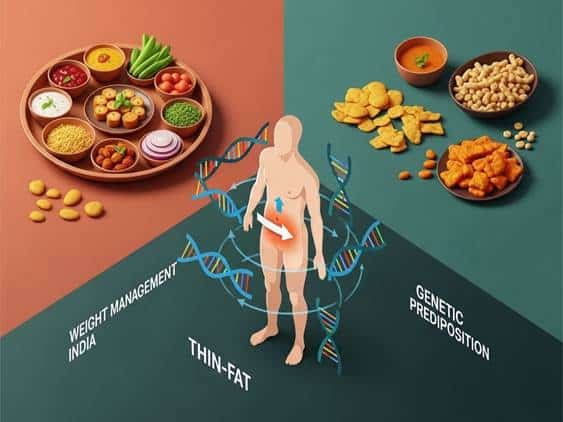
The “Thin-Fat” Indian Phenotype
Research highlights a ‘thin-fat’ phenotype in South Asians, where individuals can have a higher percentage of visceral fat even at a normal BMI. This metabolically active fat is strongly linked to insulin resistance and increased risk of type 2 diabetes and heart disease. It underscores the importance of focusing on body composition rather than just body weight.
Genetic and Epigenetic Predisposition
Genetic factors play a significant role in the South Asian population’s susceptibility to obesity and related metabolic disorders, with certain gene variants linked to abdominal fat accumulation. Theories also suggest historical periods of famine may have led to epigenetic adaptations, predisposing individuals to store fat more readily during caloric abundance.
Cultural and Dietary Landscape
While traditional Indian diets are rich in whole grains, lentils, and vegetables, modern habits often include more refined carbohydrates, unhealthy fats, and processed foods. Additionally, cultural and social gatherings in India frequently revolve around food, which can present unique challenges for adhering to a weight management plan.
The Fundamental Science of Weight Loss
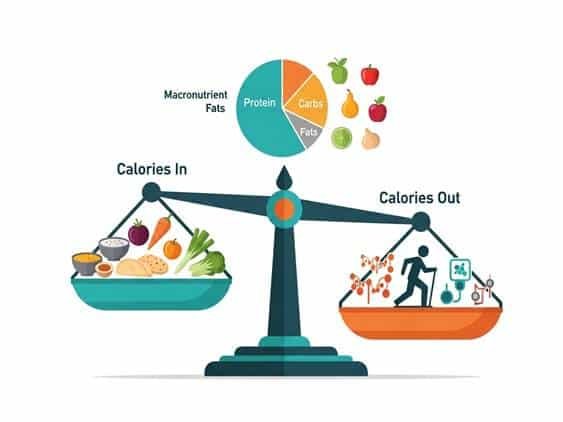
The Calorie Deficit: The Cornerstone of Weight Loss
Weight loss fundamentally occurs when you consistently consume fewer calories than your body expends, achieving a calorie deficit. A healthy and sustainable weight loss rate is typically 0.5 to 1 kg per week, which can be attained by maintaining a daily calorie deficit of approximately 500 calories through dietary adjustments and increased physical activity.
Understanding Macronutrients and Micronutrients
- Protein: Crucial for satiety, muscle preservation, and higher thermic effect. Good Indian sources include lentils (dals), chickpeas, paneer, tofu, eggs, and lean meats.
- Carbohydrates: Opt for complex carbohydrates like whole wheat, millets, and brown rice for sustained energy and fiber, over simple refined options.
- Fats: Healthy fats from nuts, seeds, and healthy oils like mustard or groundnut are essential in moderation.
- Micronutrients: Vitamins and minerals, abundant in fruits and vegetables, are vital for metabolic processes and overall well-being.
Crafting a Healthy Indian Diet for Sustainable Weight Loss
Healthy Modifications to Traditional Indian Cooking
- Opt for healthier cooking techniques such as steaming, pressure cooking, grilling, or stir-frying instead of deep-frying.
- Be mindful of the amount of oil and ghee used; a small quantity is often sufficient for tempering spices.
- Increase your intake of a wide variety of colorful vegetables, which are low in calories and rich in fiber and essential nutrients.
- Practice portion control, even for healthy foods, especially for staples like rice and rotis, to manage overall calorie intake.
Sample 1-Day Indian Meal Plan for Weight Loss (Approx. 1500 Calories)
- Early Morning (6-7 AM): A glass of warm water with lemon.
- Breakfast (8-9 AM): 1 bowl of vegetable poha or 2 moong dal cheelas with a side of curd.
- Mid-Morning Snack (11 AM): A piece of fruit (e.g., apple, orange, or a small bowl of papaya).
- Lunch (1-2 PM): 1 bowl of dal, 1 bowl of mixed vegetable curry, 2 small whole wheat rotis, and a side of salad.
- Evening Snack (4-5 PM): A handful of roasted chana or a small bowl of sprouts salad.
- Dinner (7-8 PM): 1 bowl of mixed vegetable soup, 1 bowl of paneer or chicken curry, and 1 small bowl of brown rice or quinoa.
The Importance of Hydration
Staying well-hydrated is crucial for maintaining a healthy metabolism and can significantly aid in weight loss by promoting feelings of fullness. Aim to consume at least 8-10 glasses of water throughout the day to support overall bodily functions and prevent dehydration.
The Crucial Role of Physical Activity
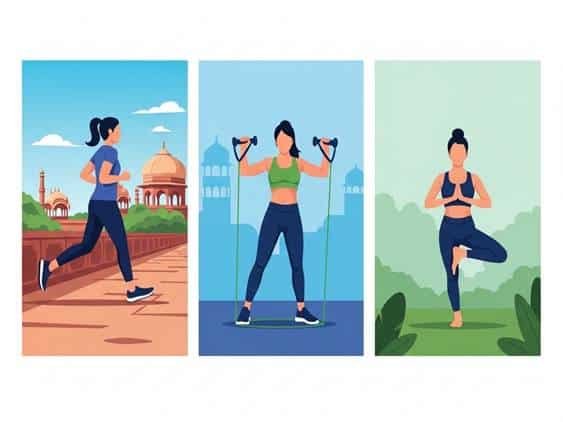
Types of Exercise for Effective Weight Loss
- Aerobic Exercise: Activities such as brisk walking, jogging, cycling, and swimming are excellent for burning calories and significantly improving cardiovascular health.
- Strength Training: Incorporating strength training at least twice a week helps build muscle mass, which is more metabolically active than fat, meaning it burns more calories even at rest.
- Yoga: Yoga offers benefits for weight loss not only through calorie expenditure but also by reducing stress and promoting mindfulness, both crucial for a healthy lifestyle.
Creating a Sustainable Exercise Routine
Consistency is paramount for long-term success in any exercise regimen. Choose activities you genuinely enjoy and that seamlessly fit into your daily lifestyle. Aim for at least 150 minutes of moderate-intensity aerobic activity or 75 minutes of vigorous-intensity activity per week, as recommended by leading health organizations.
Lifestyle Modifications Beyond Diet and Exercise
The Critical Role of Sleep
Inadequate sleep can significantly disrupt the hormones that regulate appetite, specifically ghrelin and leptin, leading to increased hunger and cravings for unhealthy foods. Prioritize achieving 7-8 hours of quality sleep per night to support your weight loss efforts and overall well-being.
Stress Management Techniques
Chronic stress is a known contributor to weight gain through both emotional eating and hormonal imbalances. Implementing stress management techniques such as meditation, deep breathing exercises, or spending quality time in nature can be highly effective in mitigating these negative impacts.
Mindful Eating Practices
Practicing mindful eating involves paying close attention to your body’s hunger and fullness cues. Eat slowly, savor each bite of your food, and avoid distractions like television or smartphones during meals, which can help prevent overeating and improve digestion.
Debunking Common Weight Loss Myths
Myth vs. Fact
- Myth: You need to completely cut out carbs to lose weight. Fact: Complex carbohydrates are an important source of energy; the key is choosing whole grains and practicing portion control.
- Myth: Skipping meals will help you lose weight faster. Fact: Skipping meals can lead to nutrient deficiencies and often causes overeating later in the day.
- Myth: “Low-fat” or “diet” foods are always a healthy choice. Fact: Many such products are highly processed and may contain added sugar to compensate for fat; always check the nutrition label.
The Mind-Body Connection: Psychological Aspects of Weight Loss
Overcoming Emotional Eating
Emotional eating, which involves turning to food for comfort in response to stress, boredom, or sadness, can be a significant barrier to weight loss. The initial step is to identify the specific triggers for emotional eating and then consciously develop healthier, non-food-related coping mechanisms.
Building a Healthy Body Image and Self-Esteem
The journey of weight loss can often lead to notable improvements in self-esteem and body image. It is crucial to shift focus from solely the number on the scale to celebrating health gains and how positively you feel physically and mentally.
The Power of Support Systems
Cultivating a strong support system, whether it comprises family, friends, or a dedicated support group, can be incredibly beneficial. Sharing your weight loss journey with others can provide invaluable motivation, encouragement, and accountability, fostering greater success.
When to Seek Professional Medical Help
Consulting Healthcare Professionals
It is always advisable to consult with a healthcare professional before embarking on any new diet or exercise program, particularly if you have pre-existing health conditions. A registered dietitian can offer personalized dietary advice that is both safe and effective, and for severe obesity or unsuccessful weight loss attempts, a doctor may recommend further medical interventions.
Conclusion
Achieving and maintaining weight loss is a journey demanding a holistic and sustainable approach. For the Indian population, this involves leveraging the inherent strengths of traditional, plant-based diets while mindfully adapting to modern lifestyles. By prioritizing a balanced diet, consistent physical activity, adequate sleep, and effective stress management, you can successfully reach your weight loss goals and significantly enhance your long-term health and well-being. Remember, consistency and patience are your most valuable allies.
Frequently Asked Questions (FAQs)
Q1: Do I need to stop eating rice and rotis to lose weight?
A1: No, you do not need to eliminate rice and rotis completely. The key is portion control and choosing healthier alternatives like brown rice and whole wheat rotis. It’s about balancing your overall calorie intake.
Q2: Can I lose weight with a vegetarian Indian diet?
A2: Absolutely. A well-planned vegetarian Indian diet, rich in dals, legumes, paneer, tofu, vegetables, and whole grains, can be very effective for weight loss.
Q3: Is it necessary to go to a gym to lose weight?
A3: While a gym provides access to a variety of equipment, it is not essential for weight loss. Activities like brisk walking, jogging, cycling, and home-based workouts can be equally effective.
Q4: How can I manage cravings for sweets and fried snacks?
A4: Opt for healthier alternatives to satisfy your cravings. For a sweet tooth, try fresh fruits or a small piece of dark chocolate. For savory cravings, roasted nuts, seeds, or sprouts are good options.
Q5: How quickly can I expect to see results?
A5: A safe and sustainable rate of weight loss is typically 0.5 to 1 kg per week. Rapid weight loss is often unsustainable and can be unhealthy.
Q6: Are weight loss supplements a good idea?
A6: Most weight loss supplements are not backed by strong scientific evidence and can have potential side effects. It’s always best to focus on diet and lifestyle changes and consult a doctor before considering any supplements.
Q7: How do I stay motivated on my weight loss journey?
A7: Set realistic goals, track your progress, celebrate small victories, and find a support system. Remember your reasons for wanting to lose weight to stay focused.
Author: – Mithilesh Chandra


One response to “A Comprehensive, Evidence-Based Guide on How to Lose Weight for the Indian Population”
[…] A Comprehensive, Evidence-Based Guide on How to Lose Weight for the Indian Population […]