Table of Contents
Introduction: Beyond the Scale – Redefining the Rewards of Weight Loss Benefits
The Foundational Pillars: Profound Physical Health Benefits
The Unseen Transformation: Mental and Emotional Well-being
A New Lease on Life: Lifestyle and Social Advantages
The Ripple Effect: Broader Societal and Economic Implications
A Historical Perspective on Weight Management
The Future of Weight Loss: A Glimpse into Tomorrow’s Innovations
Weighing the Pros and Cons: A Balanced View
Frequently Asked Questions (FAQs)
Conclusion: Your Path to a Healthier, More Vibrant Life
Introduction: Beyond the Scale – Redefining the Rewards of Weight Loss Benefits
In a world increasingly aware of the global obesity epidemic, the conversation around weight loss benefits often centers on aesthetics. However, the true value of achieving and maintaining a healthy weight extends far beyond physical appearance. It is a profound investment in one’s overall health and well-being, a journey that can unlock a cascade of benefits, both seen and unseen. This comprehensive guide delves into the extensive and often surprising advantages of weight loss, supported by scientific evidence and clinical insights. From disease prevention and enhanced mental clarity to improved mobility and a more vibrant soIn a world increasingly aware of the global obesity epidemic, the conversation around weight loss often centers on aesthetics. However, the true value of achieving and maintaining a healthy weight extends far beyond physical appearance. It is a profound investment in one’s overall health and well-being, a journey that can unlock a cascade of benefits, both seen and unseen. This comprehensive guide delves into the extensive and often surprising advantages of weight loss, supported by scientific evidence and clinical insights. From disease prevention and enhanced mental clarity to improved mobility and a more vibrant social life, the rewards are multifaceted and life-altering.
The purpose of this article is to provide an authoritative, in-depth exploration of the myriad benefits associated with weight loss profits. We will dissect the physiological transformations that occur within the body, explore the powerful connection between weight and mental health, and illuminate the lifestyle improvements that accompany a healthier physique. By understanding the full spectrum of these benefits, individuals can find renewed motivation and a deeper appreciation for the transformative power of a healthy lifestyle.cial life, the rewards are multifaceted and life-altering.
The Foundational Pillars: Profound Physical Health Benefits
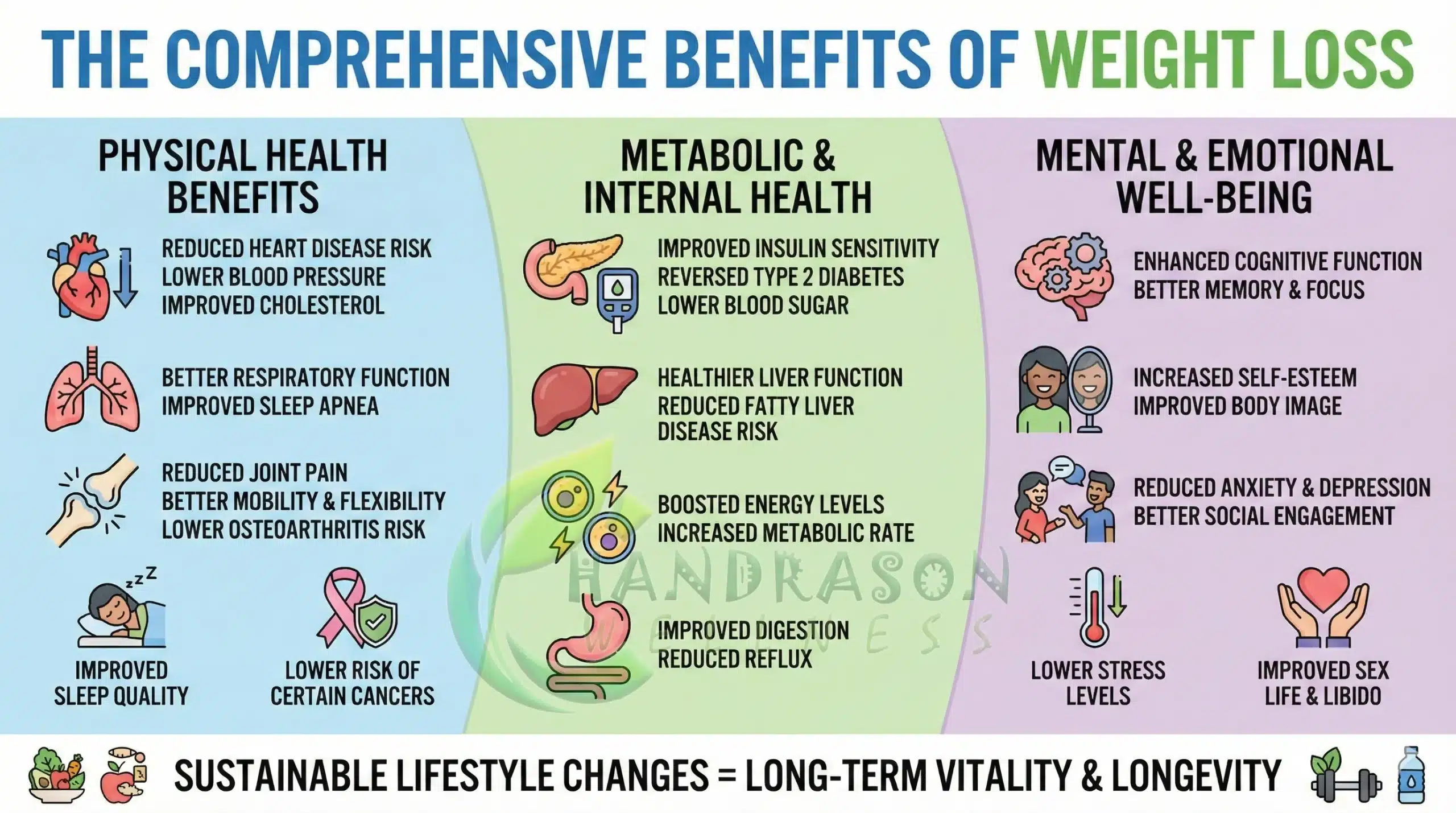
The most well-documented and significant benefits of weight loss are rooted in the profound improvements to physical health. Excess body weight is a major risk factor for a host of chronic diseases, and even a modest reduction in weight can lead to substantial health gains.
Cardiovascular Health and Disease Prevention
Carrying excess weight forces the heart to work harder to pump blood throughout the body, leading to increased blood pressure and strain on the cardiovascular system. Weight loss has been shown to:
- Lower Blood Pressure: Losing just 5-10% of body weight can significantly reduce both systolic and diastolic blood pressure.
- Improve Cholesterol Levels: Weight loss can lead to a reduction in harmful LDL cholesterol and triglycerides, while increasing beneficial HDL cholesterol.
- Reduce the Risk of Heart Disease and Stroke: By improving blood pressure and cholesterol profiles, weight loss directly mitigates the risk of developing cardiovascular diseases.
Diabetes Management and Prevention
Obesity is a leading cause of type 2 diabetes. Weight loss can dramatically improve the body’s ability to regulate blood sugar levels by:
- Increasing Insulin Sensitivity: Losing weight helps the body’s cells become more responsive to insulin, allowing for better glucose uptake.
- Lowering Blood Sugar Levels: Studies have demonstrated that a 5-10% weight loss can lead to a significant decrease in Hemoglobin A1c, a key indicator of long-term blood sugar control.
- Preventing or Delaying the Onset of Type 2 Diabetes: For individuals at high risk, weight loss is a powerful preventative measure.
Reduced Cancer Risk
A growing body of evidence links obesity to an increased risk of several types of cancer, including breast, colon, kidney, and pancreatic cancers. Intentional weight loss has been associated with a reduced risk of developing these obesity-related cancers. Research indicates that losing excess weight can lower the levels of certain hormones, such as insulin and estrogens, which are linked to cancer development.
Improved Respiratory Function and Sleep Quality
Excess weight, particularly around the neck and chest, can impair respiratory function and contribute to sleep-disordered breathing. Weight loss can lead to:
- Alleviation of Sleep Apnea: Shedding pounds can reduce the fatty tissue in the back of the throat, which can obstruct airways during sleep. Many individuals who lose weight experience a significant improvement or even remission of their sleep apnea.
- Enhanced Lung Capacity: With less weight compressing the chest, the lungs can expand more fully, leading to better respiratory function.
- Better Sleep Quality: Improved breathing during sleep leads to more restful and restorative nights, resulting in increased energy levels during the day.
Joint Health and Mobility
Excess weight places a significant strain on the body’s joints, particularly the knees, hips, and lower back. This can lead to chronic pain and the development or exacerbation of osteoarthritis. The benefits of weight loss for joint health are substantial:
Slowing the Progression of Arthritis: For individuals with osteoarthritis, weight loss can slow the deterioration of joint cartilage.
Reduced Joint Pain: For every pound of weight lost, there is a four-pound reduction in the load exerted on the knee joint. This can lead to a significant decrease in joint pain and stiffness.
Improved Mobility and Flexibility: With less pressure on the joints, movement becomes easier and less painful, leading to improved mobility and a greater range of motion.
The Unseen Transformation: Mental and Emotional Well-being
The psychological benefits of weight loss are often as profound as the physical ones. The mind-body connection is powerful, and improvements in physical health frequently translate to enhanced mental and emotional well-being.

Boosted Self-Esteem and Confidence
As individuals achieve weight loss, their self-esteem and confidence often experience a significant uplift. This enhanced self-perception can positively influence personal relationships and professional life.
Reduced Symptoms of Depression and Anxiety
There is a strong correlation between obesity and mental health challenges like depression and anxiety. Weight loss interventions have been shown to alleviate symptoms of depression. The combined effect of improved physical health, increased energy, and better self-image contributes to a powerful antidepressant effect.
Enhanced Cognitive Function
Some research indicates that weight loss may lead to improved cognitive abilities. This enhancement is likely due to better sleep quality, decreased inflammation, and improved metabolic functions, all of which positively impact brain health.
A Greater Sense of Control
The journey of successful weight loss demands discipline and perseverance, fostering a strong sense of achievement and personal control over one’s health and life. This empowerment can motivate individuals to pursue new goals and overcome other life challenges.
A New Lease on Life: Lifestyle and Social Advantages
Beyond the internal transformations, weight loss can significantly enhance an individual’s lifestyle and social interactions.

Increased Energy and Vitality
Losing weight reduces the energy expenditure required for daily activities, resulting in a noticeable boost in energy levels and reduced fatigue. This newfound vitality makes everyday tasks easier and encourages engagement in new hobbies and activities.
Improved Social Life
Enhanced confidence and increased energy often pave the way for a more active and fulfilling social life. Individuals may feel more comfortable joining social gatherings, trying new experiences, and forging new connections.
Enhanced Libido and Sexual Health
Weight loss can trigger beneficial hormonal changes that may boost libido. Additionally, improved body image and self-esteem frequently lead to a more confident and satisfying sexual life.
Other Surprising Benefits
- A sharpened sense of taste, enhancing the enjoyment of food with smaller portions. – A stronger immune system due to reduced inflammation and improved immune function. – Healthier skin, with improvements in elasticity and reduction of conditions like skin tags.
The Ripple Effect: Broader Societal and Economic Implications

Healthcare Cost Reduction
A healthier population, marked by reduced obesity, directly translates to a significant decrease in healthcare expenditures. The global economic burden of obesity is immense, and effective weight management can alleviate this strain on healthcare systems.
Increased Workforce Productivity
A healthier workforce is inherently more productive, leading to greater economic output. Reduced chronic diseases mean fewer sick days and higher efficiency, benefiting businesses and national economies alike.
Enhanced Quality of Life for Communities
Beyond individual health, a community with a lower prevalence of obesity experiences improved overall public health and well-being. This creates more vibrant, active communities with a higher quality of life for all residents.
A Historical Perspective on Weight Management
Throughout history, societal ideals of body weight have fluctuated dramatically, influenced by cultural, economic, and medical factors. In many earlier societies, a larger body size was often a symbol of wealth and prosperity, indicating an abundance of food. It wasn’t until the late 19th and early 20th centuries that medical professionals began to recognize the health risks associated with excess weight.
The 20th century saw the rise of various diet and exercise trends, some based on scientific principles and others on fads. The latter half of the century brought a greater understanding of the complex interplay of genetics, environment, and behavior in weight management. This has led to the development of more sophisticated and evidence-based approaches to weight loss benefits, including behavioral therapy, pharmacotherapy, and bariatric surgery.
The Future of Weight Loss: A Glimpse into Tomorrow’s Innovations
The field of weight management is continually evolving, with ongoing research promising more effective and personalized approaches in the future. Some of the key areas of innovation include:
- Pharmacotherapy: The development of new medications that target specific hormonal pathways involved in appetite and metabolism is a rapidly advancing field.
- Personalized Nutrition: Advances in genetics and our understanding of the microbiome are paving the way for personalized dietary recommendations tailored to an individual’s unique biological makeup.
- Digital Health and Wearable Technology: Smart devices and mobile applications are providing new tools for monitoring progress, receiving personalized coaching, and staying motivated.
- Non-invasive Medical Procedures: Researchers are exploring new, less invasive procedures that can aid in weight loss with fewer risks than traditional surgery.
Weighing the Pros and Cons: A Balanced View
While the benefits of weight loss are extensive, it is important to approach the journey in a healthy and sustainable manner.
Pros:
- Vastly improved physical health and reduced risk of chronic diseases.
- Enhanced mental and emotional well-being.
- Increased energy, mobility, and overall quality of life.
- Greater self-confidence and a more positive outlook.
Cons:
- The process can be challenging and require significant lifestyle changes.
- Rapid or extreme weight loss can have negative health consequences.
- Weight loss can sometimes lead to psychological challenges, such as body dysmorphia or an unhealthy obsession with food and exercise.
- Weight regain is a common challenge that requires long-term commitment to a healthy lifestyle.
It is crucial to undertake a weight loss journey under the guidance of a healthcare professional who can help develop a safe, effective, and sustainable plan.
The Science Behind Weight Loss Affirmations
Frequently Asked Questions (FAQs)
1. How much weight do I need to lose to see health benefits?
Even a modest weight loss of 5-10% of your total body weight can lead to significant improvements in blood pressure, blood sugar, and cholesterol levels.
2. What is the most effective way to lose weight?
The most effective and sustainable way to lose weight is through a combination of a healthy, balanced diet and regular physical activity. There is no single “best” diet, and the optimal approach may vary from person to person.
3. Is it possible to lose weight too quickly?
Yes, rapid weight loss can be unhealthy and is often unsustainable. It can lead to muscle loss, nutrient deficiencies, and other health problems. A safe and sustainable rate of weight loss is typically considered to be 1-2 pounds per week.
4. How can I maintain my weight loss?
Weight maintenance requires a long-term commitment to the healthy lifestyle habits that led to the initial weight loss. This includes continued adherence to a healthy diet, regular physical activity, and potentially seeking ongoing support from healthcare professionals or support groups.
5. Can weight loss improve fertility?
Yes, for both men and women, achieving a healthy weight can improve hormonal balance and increase the chances of conception.
6. Does exercise help with weight loss?
Exercise is a crucial component of a healthy lifestyle and can aid in weight loss by burning calories and building muscle mass. It is most effective when combined with a healthy diet.
7. Are there any risks associated with weight loss?
While the benefits generally far outweigh the risks for individuals who are overweight or obese, it is important to lose weight in a healthy manner. Potential risks of improper weight loss can include nutritional deficiencies, gallstones, and muscle loss. Consulting with a healthcare provider is essential.
Conclusion: Your Path to a Healthier, More Vibrant Life
The journey of weight loss is a powerful and transformative one that offers a wealth of benefits extending far beyond the numbers on a scale. It is an investment in a longer, healthier, and more fulfilling life. By embracing a balanced and sustainable approach to weight management, individuals can unlock a cascade of positive changes that impact every facet of their being, from their physical health and mental clarity to their social interactions and overall sense of well-being. The path to a healthier weight is a journey of self-care and empowerment, and the rewards are immeasurable.
Author: – Mithilesh Chandra


One response to “The Comprehensive More Than 10 Benefits of Weight Loss: A Transformative Journey to Wellness”
[…] The Comprehensive More Than 10 Benefits of Weight Loss: A Transformative Journey to Wellness […]